Existing fabric
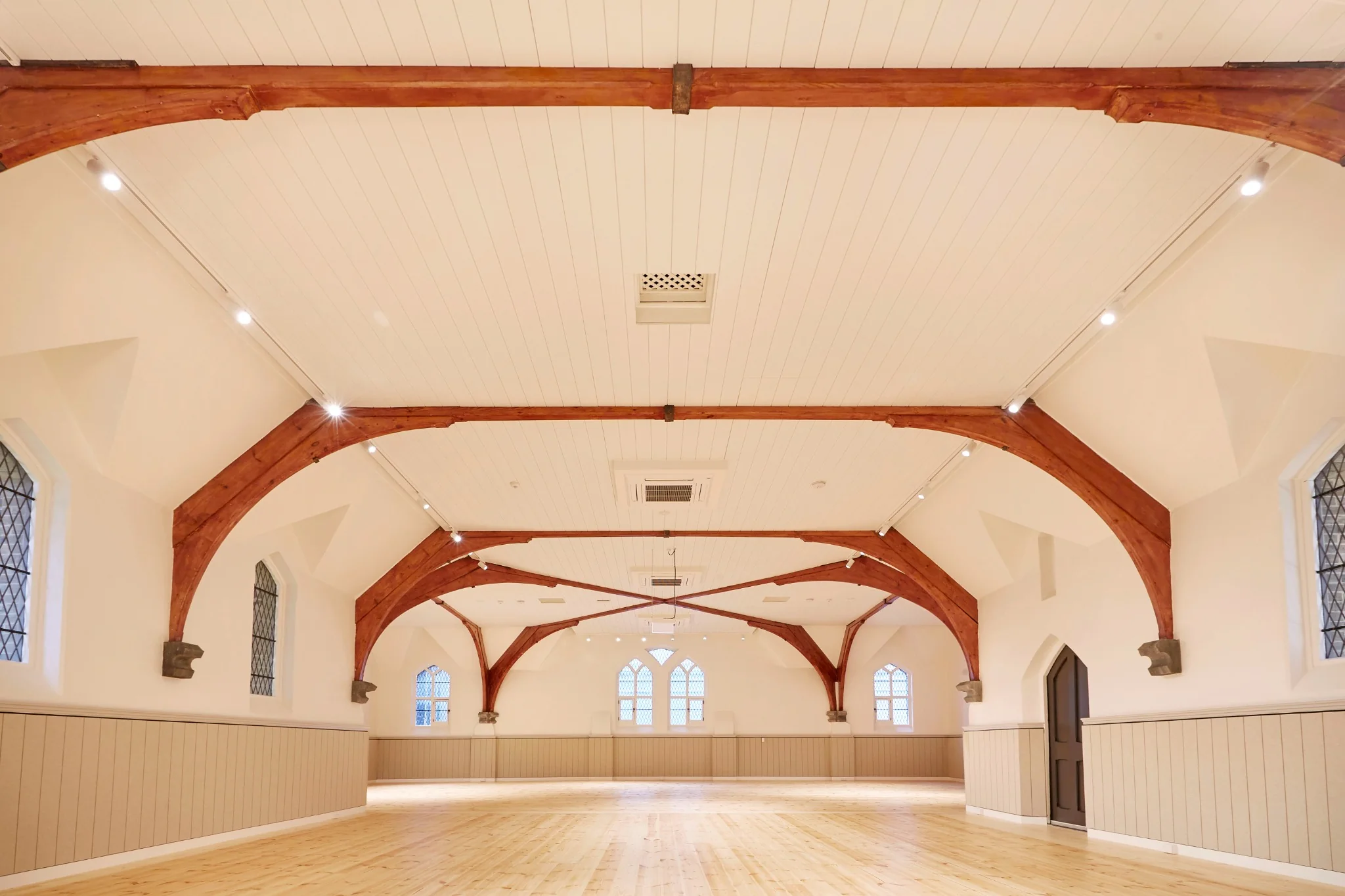
Retained masonry, timber, windows, ceilings and architectural elements protected and worked around carefully.
 Start a project
HERITAGE / ADAPTIVE REUSE
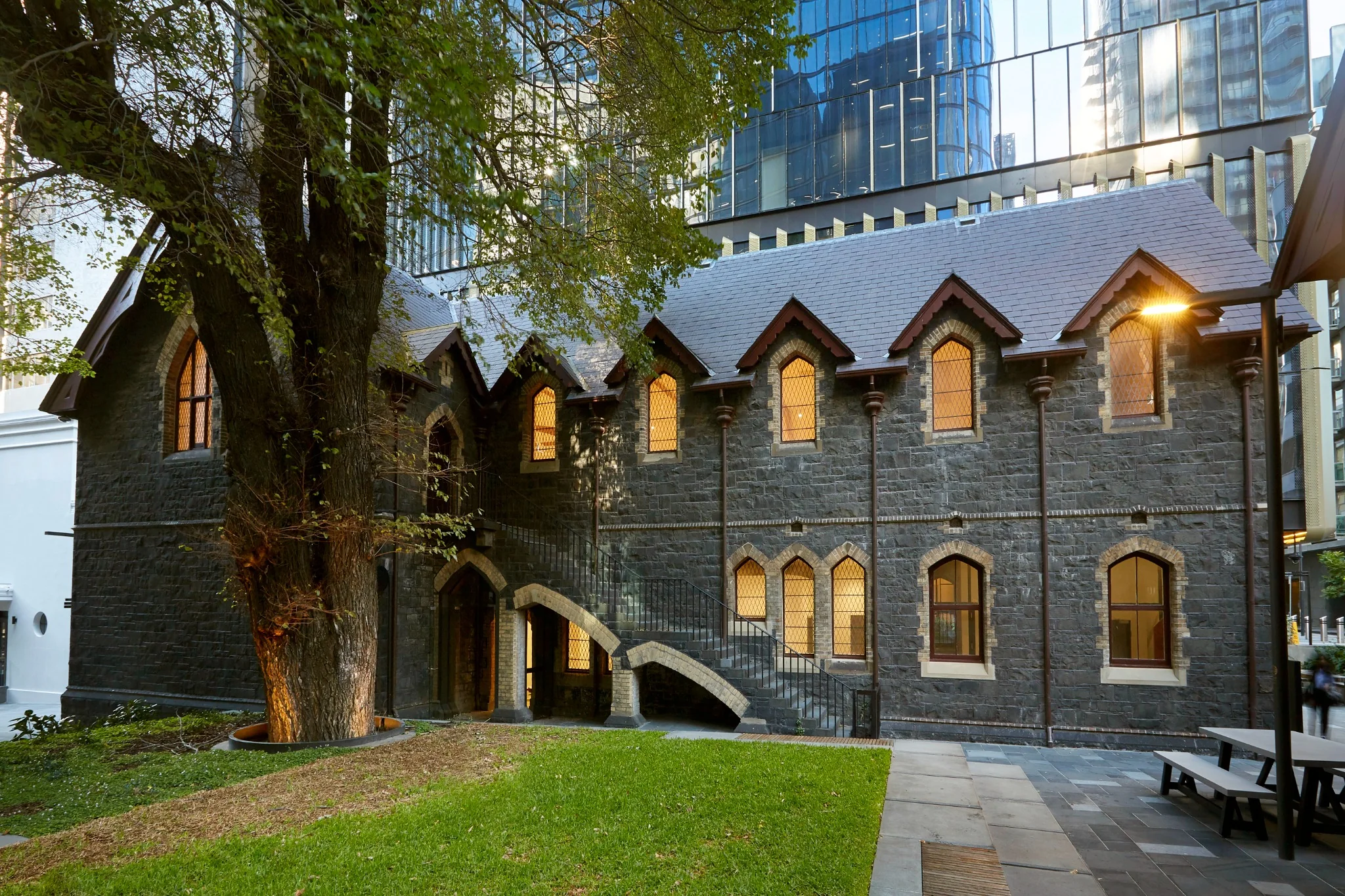
Heritage work succeeds when new requirements are integrated without flattening the character that made the building worth retaining.
HERITAGE / ADAPTIVE REUSE
Heritage and adaptive-reuse projects bring together old fabric, hidden conditions, modern services, compliance requirements and detailed finish expectations. Those elements need to be resolved together rather than handed from one trade to the next.
O'Neill's focuses on careful investigation, protection, sequencing and coordination so the retained building remains the visual priority while new systems perform as required.
PROJECT EVIDENCE
WHAT WE CONTROL
Retained masonry, timber, windows, ceilings and architectural elements protected and worked around carefully.
Repairs and new works coordinated to preserve proportion, texture and the hierarchy of original elements.
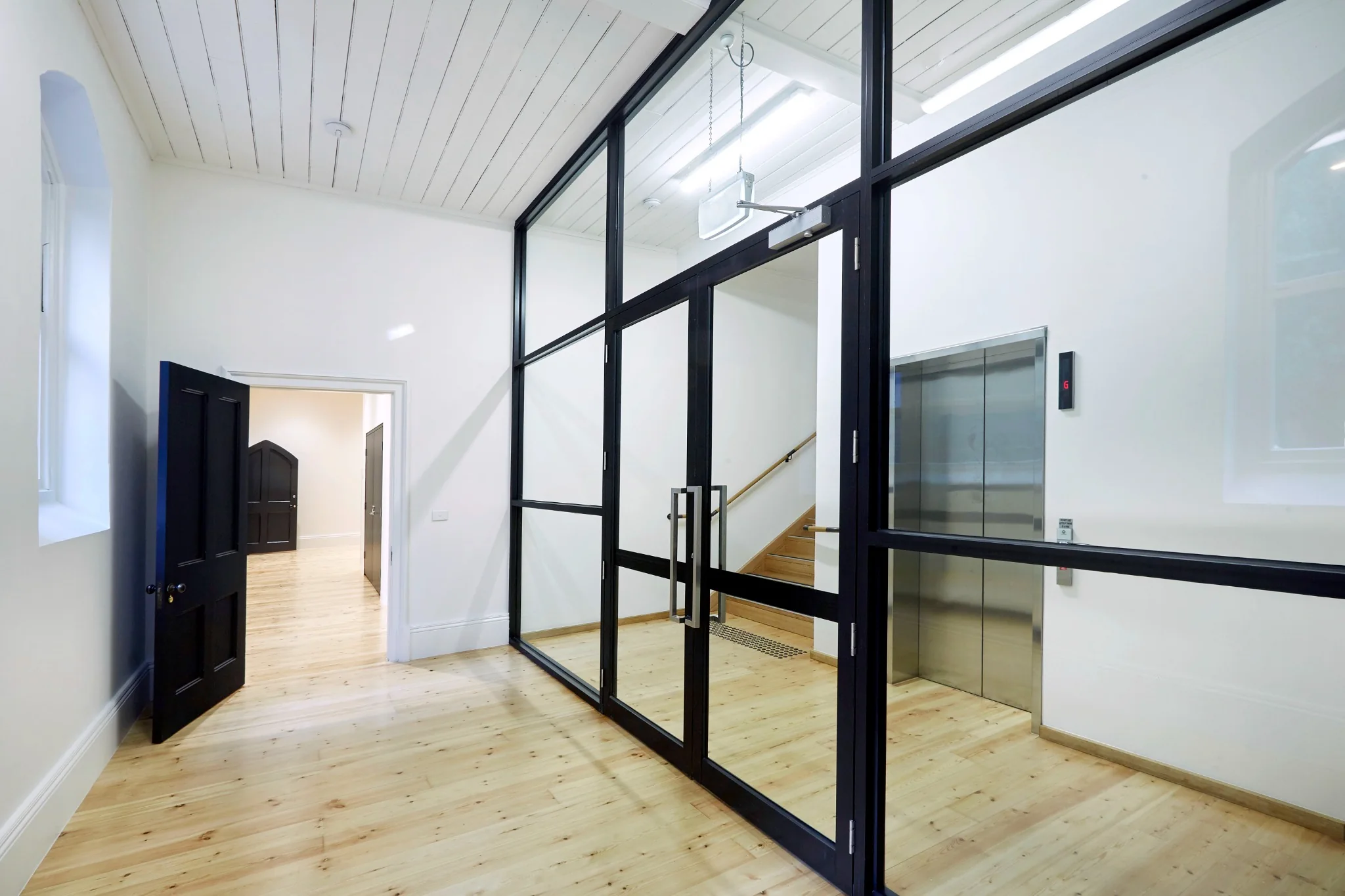
Mechanical, electrical, fire and other services introduced with attention to visibility, access and existing structure.
Modern requirements coordinated with consultants while respecting the constraints of significant fabric.
Samples, joinery, timber, coatings and junction details reviewed at the scale people actually experience.
Existing buildings prepared for contemporary use without treating their history as a decorative overlay.
CLIENT QUESTIONS
Existing conditions are often less predictable than in new work. Investigation and design development reduce uncertainty, but allowances and clear assumptions remain important.
Often yes, but the solution depends on the building. Routing, access, equipment locations and penetrations need to be resolved with the design and consultant team rather than left to installation.
Early investigation, clear heritage priorities, material sampling, service coordination and decision-making pathways. Late changes tend to be more expensive and more visually compromising in significant buildings.
DELIVERY
Identify what must be retained, protected and expressed before planning interventions.
Confirm hidden conditions, substrate, services and access constraints before irreversible work begins.
Use samples and early detail resolution where material, repair and new-work interfaces will be visible.
Close out with clear documentation of new systems and completed works for future maintenance.
START A PROJECT
Share the location, scope, design status, target programme and operational constraints. That is enough for us to identify the right next step.
Start a project